Apply Now
Anjaneya University

Interior Designing

Interior Designing

Every space tells a story. The way a room feels, functions, and flows is the result of thoughtful design.

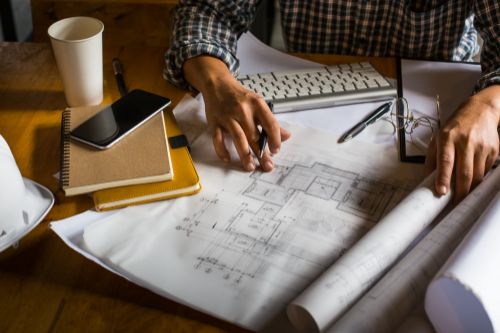
The Interior Designing department focuses on transforming spaces into environments that are functional, aesthetically appealing, and emotionally engaging. It is a discipline that combines architecture, creativity, and human psychology.

Students explore:

  • Space planning
  • Furniture design
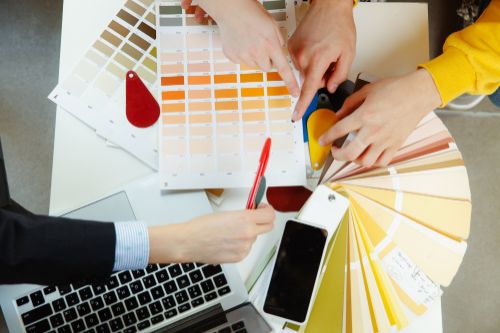
  • Color theory
  • Lighting design
  • Materials and finishes
  • 3D visualization
  • Residential and commercial interiors
  • Sustainable design practices

The department trains students to design spaces that balance beauty with usability—whether it is a home, office, retail outlet, hotel, or public environment.

Students seeking interior designing course details often look for a programme that develops both creative visualization and practical execution skills, and this department offers exactly that.

Programme Overviews

Course Objectives

Our course objectives revolve around providing a comprehensive education in interior design, with a strong focus on industry knowledge, skill development, and practical experience. Students will develop a versatile skill set that encompasses interior space planning, furniture design, color theory, architectural elements, and design technology. We encourage creativity, critical thinking, and the development of entrepreneurial skills. By the time students graduate, they will have a professional portfolio, practical industry experience, and be fully equipped for success in the competitive field of interior design.

Learning Outcomes

  • Internships and hands-on experiences provide students with practical training and valuable networking opportunities in the interior design industry.
  • Our curriculum covers interior space planning, furniture design, color theory, architectural elements, and design technology, ensuring that you become a well-rounded interior design professional.
  • Discover your unique style and approach in interior design, furniture creation, and design aesthetics.
  • Gain insights into the business aspects of interior design, including entrepreneurship and sustainable design practices.
  • Students will develop a professional demeanor, honing critical thinking, problem-solving abilities, and leadership skills essential for success in interior design roles.

Course Learning Outcomes

  • Establish strong industry connections for real-world experience in interior design.
  • Cultivate your distinctive style and innovative approach to the world of interior design and spatial planning.
  • Acquire knowledge in entrepreneurship and sustainable design methodologies to build a comprehensive skill set.
  • Demonstrate global awareness and cross-cultural understanding in interior design.
  • Equip yourself for a lifetime of learning, ensuring your ability to adapt to the ever-evolving trends within the dynamic interior design industry.

Job Opportunities

  • Interior Space Planning - Design and optimize interior spaces for homes, offices, and commercial settings.
  • Furniture Design - Create custom furniture pieces and decor items.
  • Color Consultation - Advise on color schemes and palettes for interior spaces.
  • Architectural Elements - Work on architectural detailing and decorative elements within interiors.
  • Interior Design Technology - Utilize design software for visualizing and planning interior spaces.
  • Interior Design Entrepreneurship - Start your own interior design studio or consultancy.
  • Commercial Interior Design - Specialize in designing commercial spaces such as restaurants, hotels, and offices.
  • Residential Interior Design - Focus on creating inviting and functional home environments.
  • Interior Styling - Curate and style interiors for photography, events, or home staging.

Apply Now For Academic Year 2026-27

Apply Now

Industry Interaction

Company Name Date Domain of Company Coordinator Resource Person
Courses Offered

Know Our Faculty

Mr. Jatin Thakkar

Associate Professor HOD

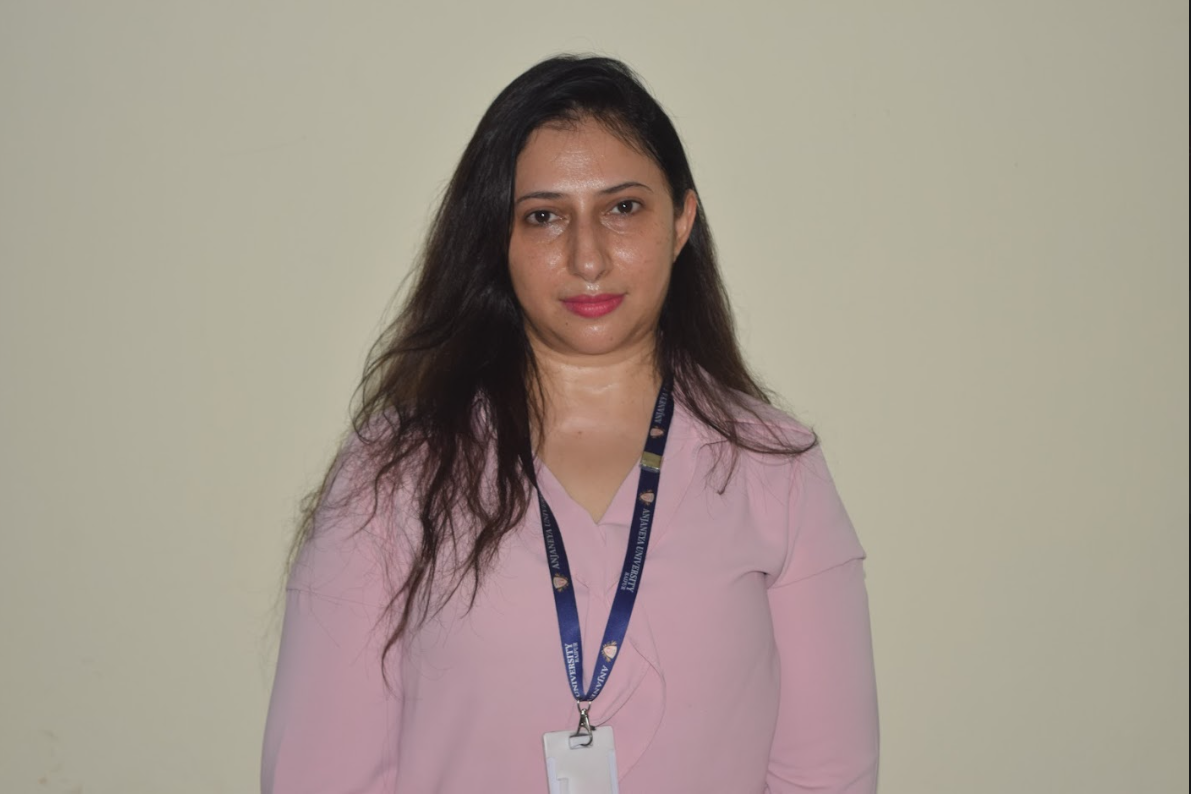
Miss. Anuradha Banga

Professor

Facilities

University facilities are the physical spaces, resources, and amenities that are provided by a university to support the educational, research, recreational, and social needs of its students, faculty, staff, and visitors. These facilities may vary depending on the size, location, and focus of the university, but commonly include:

Hostel Facilities

Auditorium

Transport Facilities

Laboratories

Libraries

Sports