Apply Now
Anjaneya University

Filmmaking

Filmmaking

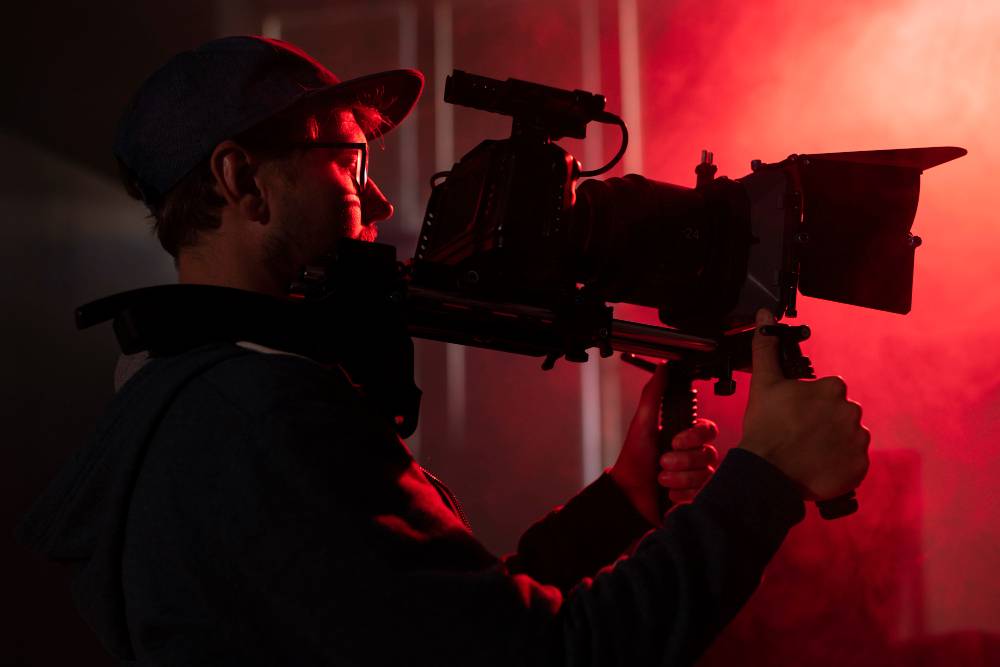
Cinema is storytelling in motion. It combines emotion, vision, sound, and imagination to create experiences that stay with audiences for years.

The Filmmaking department is designed for students who dream of bringing stories to life through the lens of a camera. It is a creative and technical discipline that blends storytelling with production excellence.

Students are introduced to every stage of film creation, including:

  • Script writing
  • Screen storytelling
  • Cinematography
  • Direction
  • Editing and post-production
  • Sound design
  • Production management
  • Visual storytelling

From conceptualizing an idea to executing a finished visual narrative, students learn how films are crafted with artistic and technical precision.

The department encourages experimentation with documentaries, short films, digital cinema, OTT content, advertising films, and creative media production.

This programme is also highly suitable as a journalism course after 12th alternative for students who are more inclined toward visual storytelling and cinematic communication.

Filmmaking is more than a profession—it is the ability to make audiences feel, think, and remember.

Programme Overviews

Dive into the world of filmmaking with our 3-year degree program. From storytelling to cinematography, we cover it all, blending theory with hands-on workshops. You'll gain real-world exposure and graduate as a well-rounded filmmaker, ready to make your mark in the industry. Your cinematic journey starts here!

Programme Overviews

Course Objectives

Our course objectives encompass a holistic education in filmmaking, focusing on industry proficiency, skill development, and hands-on experience. Students gain a comprehensive skill set covering scriptwriting, cinematography, sound design, and more. We encourage creative exploration, industry networking, and the development of entrepreneurial skills. Students build a professional portfolio, experiment with visual storytelling, and graduate well-prepared for the competitive world of filmmaking.

Learning Outcomes

  • Our BAFM program builds strong industry connections from day one, offering real-world filmmaking exposure.
  • 21-day internships offer hands-on experience and networking opportunities with industry professionals
  • Our curriculum covers scriptwriting, cinematography, sound design, and more, making you a well-rounded filmmaker.
  • Explore your artistic voice through storytelling, cinematography, and direction.
  • Shoot films, work on sets, and experiment with cinematic techniques for real-world readiness.
  • Gain insights into the business side of filmmaking, including entrepreneurship and production management.

Course Learning Outcome

  • Strong industry connections for real-world exposure.
  • Scriptwriting, cinematography, sound design - become a well-rounded filmmaker.
  • Develop your creative voice in storytelling, cinematography, and direction.
  • Shoot films, work on sets, and experiment with cinematic techniques.
  • Learn entrepreneurship and production management for a well-rounded skill set.

Job Opportunities

  • Media research: Offer accurate production background.
  • Film criticism: Analyze, review, and rate movies.
  • Academics: Teach filmmaking.
  • Film careers: Directing, cinematography, editing, sound design, production.
  • Curating film festivals: Select meaningful films.
  • Film journalism: Cover entertainment news.
  • Entrepreneurship: Start film-related businesses.
  • Criticism/journalism: Film critics, bloggers, journalists.

Apply Now For Academic Year 2026-27

Apply Now

Industry Interaction

Company Name Date Domain of Company Coordinator Resource Person
Courses Offered

Know Our Faculty

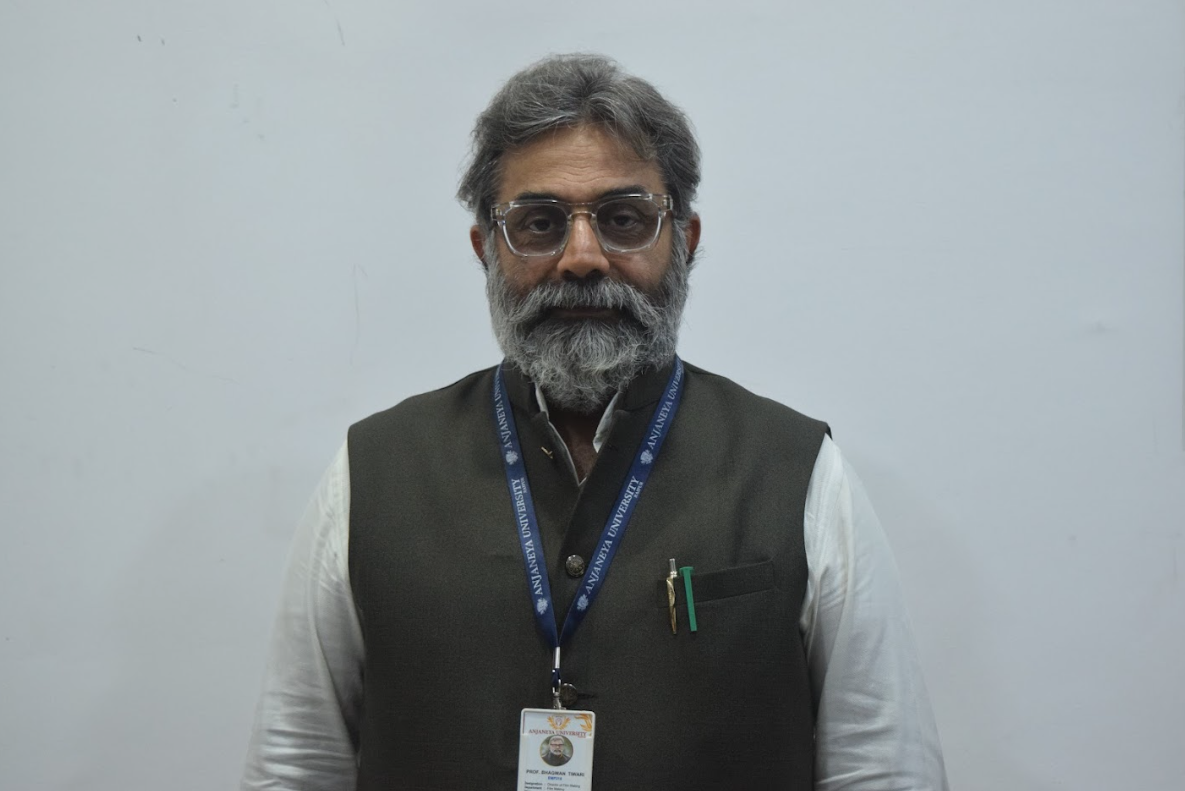
Mr. Bhagwan Tiwari

Prof and Dean

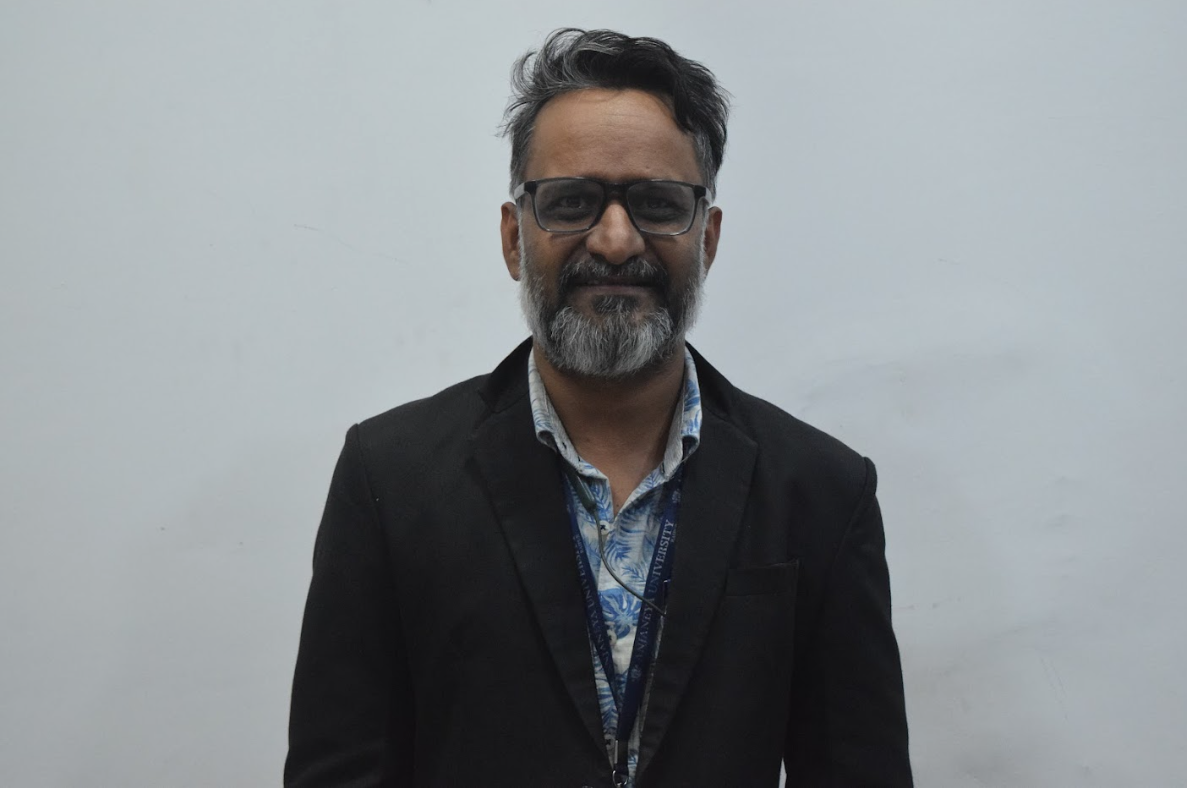
Mr. Ankit Shukla

Assistant Professor

Facilities

University facilities are the physical spaces, resources, and amenities that are provided by a university to support the educational, research, recreational, and social needs of its students, faculty, staff, and visitors. These facilities may vary depending on the size, location, and focus of the university, but commonly include:

Hostel Facilities

Auditorium

Transport Facilities

Laboratories

Libraries

Sports