 By
Nobody learned filmmaking by reading about it in a book. They shot something awful, watched it back, winced, and then shot it again. The people who get good are usually the ones who made their mistakes early and fixed them fast.
That changes how you should search for a college. Choosing a top university for filmmaking in Raipur has little to do with a pretty campus photo or a bold line in the prospectus. It comes down to one plain question about how much you will actually get to make.
Most brochures dodge that question, because a lovely auditorium sounds better than four short films a year. So this guide works the other way around, starting with what film school is really like. After that, we cover the courses, the checks worth doing, and what to do before you apply.
What film school actually looks like
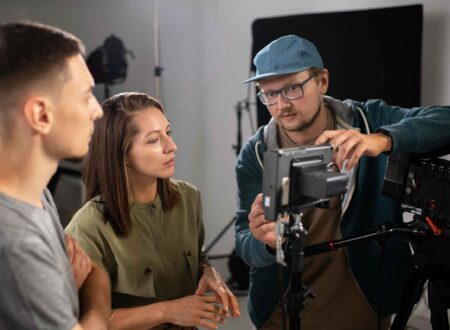
It is far less glamorous than the trailer makes it look. You will spend more hours in an edit suite than on any red carpet. Still, if you love the work, those hours pass faster than you expect.
Ideas on paper
- Every film begins as a few lines of text and a lot of doubt.
- A good course makes you defend your story to others before the cameras roll.
- That feels uncomfortable, but it saves you weeks of shooting the wrong idea.
Camera and light
- Framing, lenses and lighting turn a flat scene into something you can feel.
- Ask how much time you will spend holding a real camera yourself.
Sound
- Beginners often ignore sound, and audiences notice it immediately.
- Viewers forgive a shaky shot much sooner than dialogue they cannot hear.
Editing
- This is where the film actually gets made, one cut at a time.
- You will sometimes bin a scene you loved, and that teaches humility fast.
Producing
- Budgets, schedules, permissions and who brings lunch rarely appear on the poster.
- They explain why some films get finished while others sit on a hard drive forever.
Courses: the one-year route and the three-year route
Different starting points call for different courses. Here is how the options usually look, going by what directories list.
The one-year route
- A diploma in film making is listed as a one-year, full-time course.
- It is practical and quick, and a sensible way to test whether this work suits you.
- Anjaneya University’s own blog says students can start filmmaking after Class 10 through the diploma.
- Confirm the exact qualification with the admissions office before you plan around it.
The three-year route
- A BA in film making runs for three years and asks for Class 12 in most listings.
- It gives you room to try directing, cinematography and editing before choosing one.
Same course, different spellings
- Directories list the degree as BA Film Making, BA Filmmaking and Bachelor of Arts in filmmaking in different places.
- Search all three spellings, or you will miss colleges that write it differently.
Which one first?
- Unsure about your path? The shorter route lets you test the waters first.
- Whether a diploma counts toward the degree depends on university rules, so ask early.
Skills you pick up beyond film
People assume filmmaking only prepares you for film. It also builds habits that carry over into plenty of other work.
Meeting deadlines
- A screening date never moves, so you learn to finish things on time.
Taking feedback
- Showing your work to a room and hearing what is wrong takes real practice.
- You get thicker skin and a sharper eye for what needs fixing.
Telling a story in seconds
- Advertising, news and social media all need people who can hold attention quickly.
Search for top colleges in Raipur, Chhattisgarh and you will get lists covering every subject imaginable. The filmmaking options are in there somewhere, but you have to dig a little to find them.
How to judge a film school properly
Slick websites show you cameras but never mention how many students share each one. These checks tell you far more about any top university for filmmaking in Raipur than a ranking ever could.
Equipment, and who gets to use it
- Ask what cameras, lights and edit suites the department has, and who shares them.
- A lab that looks fantastic but stays locked is worth very little.
How many films you will make
- Ask how many short films each student makes during the whole course.
- Three films is better than one, and none at all is a warning sign.
Teachers who have worked on sets
- A teacher who has survived a chaotic shoot teaches differently from someone who only read about one.
Do students crew for each other?
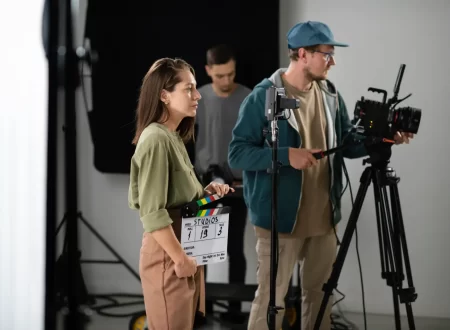
- On real sets, you work on other people’s films before directing your own.
- Ask whether the course builds that habit into the timetable.
Screenings
- Ask whether student films get screened for an audience, in college or at festivals.
- Watching real people react to your work is half the education.
Approvals
- Check that the university is UGC-recognised and lists the programme in its official documents.
Lists and rankings
- Be careful with lists that claim to rank colleges, since some are paid placements.
- Others lean on reviews nobody can verify, so use them only to build a shortlist.
What to do when you visit
A campus visit is where the brochure finally meets reality. Please do not waste it on the reception area.
Ask to see a student film
- Any proud department will have something to show you.
- Watch the whole thing and notice whether the sound is clear and the story holds together.
Look at the equipment room
- Notice whether the gear is labelled, well kept and clearly in use.
- Boxed-up equipment gathering dust tells its own story.
Talk to current students
- Ask them what they wish they had known before joining.
- Their answer is usually more honest than anything written on the website.
Sit in on a class if they allow it
- Notice whether students are making things or only taking notes.
Try this before you close the page: pick one college on your list and ask them for a short student film to watch. How they respond will tell you a lot.
Fees and admission
Do not trust a fee figure you saw online, because directories list wildly different amounts for the same course. Ask the college for the full cost in writing.
What to ask for
- Include equipment, shoot and hostel charges in that written total.
Applying
- Most universities take applications online, and dates change from year to year.
- Read the current notice before you plan anything around a deadline.
Selection
- Many arts programmes admit students on merit based on qualifying marks.
- Ask whether a portfolio or interview is part of the process.
Documents
- Keep scans of your mark sheets, ID proof, photographs and any category certificates.
- Carry a printed set as well on reporting day.
Where Anjaneya University fits
Anjaneya University is a private university in Chhattisgarh, based in Raipur and set up in 2022. Directories list both the one-year diploma and the three-year BA among its filmmaking courses. They also list related programmes such as animation and visual effects.
If you are hunting for a top university for filmmaking in Raipur, treat Anjaneya as a place to investigate. Do not accept it on trust, and do not dismiss it on rumour.
What to verify
- Ask the admissions office for current approval documents and the fee structure, since directories disagree on both.
- Ask which cameras, lights and edit suites the department owns, and how many films each student makes.
A young university
- A newer university has a shorter track record, so a visit counts for more than reading.
- Ask to watch a student film on the spot if one is available.
Mistakes to avoid
- Choosing a college by its brochure instead of its student films.
- Ignoring sound and editing because they sound dull on paper.
- Paying a booking amount before seeing the fee structure in writing.
- Skipping the campus visit and relying only on online listings.
- Waiting for a course to start before picking up a camera.
- Applying to just one college and hoping everything works out.
Bottom line
The best top university for filmmaking in Raipur is the one where you will make the most films. It is rarely the one with the nicest brochure. Check the approvals, see the equipment, watch what students have made, and get every fee in writing. If Anjaneya University is on your shortlist, visit the campus and judge it exactly as you would judge any other.
Questions students ask
Q1. Can I study filmmaking after finishing Class 10?
Anjaneya University’s own blog says yes, through a one-year diploma course. Confirm the exact eligibility with the admissions office before applying.
Q2. Do I need to own a camera before joining?
Usually not at the start of the course. Ask what the department provides and what you would need to buy.
Q3. Which is better, a diploma or a degree?
Neither wins outright, because it depends on your goals. The diploma gets you shooting sooner, while the degree gives you more time and wider options.
Q4. Do I need to know editing software first?
No, because learning the software is part of the course. A little practice with your phone and a free app still helps.
Q5. What can I do after studying filmmaking?
Paths include directing, cinematography, editing, sound, production and creating digital content. Your portfolio of finished work matters more than the certificate.