
 By
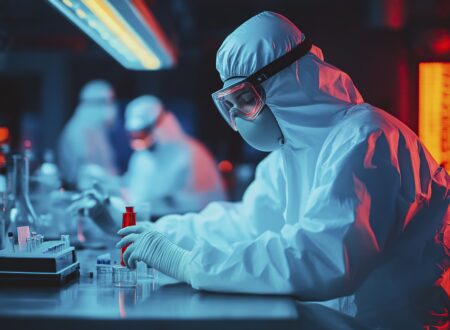
By Forensic science has evolved from being a laboratory testing house to being a technological investigative powerhouse. By 2026, forensic practitioners will not only be scientists, but digital experts, operators of AI tools, DNA specialists and experts in the courtroom.
The combination of artificial intelligence, innovative DNA sequencing techniques, cyber investigation devices, and information analysis has redefined the process of solving crimes.
As more and more cybercrimes, financial fraud, and criminal activities occur, the need for qualified forensic experts in government agencies, individual laboratories, and corporations is increasing at a rate previously unseen. Provided that you are interested in science, justice, and addressing real-life issues, forensic science career options provide a well-paid, solid, and future-oriented profession.
What Are Forensic Science Careers?
Forensic science career options entail the use of scientific methods in gathering, storing, analyzing, and verifying evidence during criminal and civil proceedings. Members of this profession collaborate with the police, lawyers, and courts to bring justice to the table based on scientific accuracy.
Major Domains in Forensic Science
- Forensic Biology – This is the study of blood, saliva, hair, and other biological materials to suspect or victims through the DNA analysis and microscopic examination.
- Forensic Chemistry – This deals with the examination of unknown substances, e.g., drugs, chemicals, explosives, and poisonous materials by laboratory tests.
- Forensic Toxicology – Tests body fluids to identify alcohol, drugs, poisons, and other toxic substances that might be a cause of crime or accidental deaths.
- Ballistics – Studies firearms, bullets, and the path of the weapons in order to identify how a weapon was used and also to connect it to a crime scene.
- Digital Forensics – Investigates computer, smartphone, server, and cloud environments to retrieve digital evidence.
- Questioned Document Examination – Examines handwriting, signature, forged documents, and printed material with the aim of determining authenticity.
Core Responsibilities
- Gathering crime scene evidence through rigorous contamination control measures.
- Laboratory tests make use of different scientific instruments and also software.
- Having comprehensive forensic analysis reports that will hold a lot of weightage in court.
- Giving expert testimony in a court to explain scientific findings in a clear and confident way.
Forensic Science Careers — What Makes It So Trending in 2026?
1. Rising Complexity of Criminal Activities
- The criminals are adopting encrypted communication systems, cryptocurrency transactions, and advanced technology, which demands advanced forensic skills.
- Conventionally used methods of investigation are being substituted by investigations that are scientifically based to reinforce cases before the court.
- The solution of cold cases is being reopened using better DNA technologies and digital reconstruction.
- The current trend of technological crimes is forcing law enforcement bodies to establish forensic departments in order to keep up.
2. Rapid Growth of Cybercrime & Digital Investigations
- Growth in ransomware attacks, phishing fraud, financial fraud, identity theft, and corporate espionage.
- Increased demand for professionals to restore deleted files, monitor through IP addresses, and examine encrypted files.
- Companies that employ digital forensic analysts to investigate the cases of fraud within organizations and to defend confidential information.
- There is a high demand for cybersecurity specialists who are trained in forensic analysis across the world.
3. Expanding Opportunities in Government & Private Sectors
- Forensic laboratories are being recruited more in state and central facilities to serve investigative needs.
- Forensic experts are needed by the intelligence agencies and the anti-terrorism units to provide evidence.
- In urban centres, there is a growing availability of private forensic laboratories that provide services.
- Business organizations use different forensic auditors so that they can identify financial anomalies and fraud.
Tech Innovation & AI in Forensic Science
Technology has been redefining accuracy, speed and reliability of forensic investigations.
AI-Powered Crime Analytics
- Using machine learning algorithms so that the patterns of crime and forecast possible hotspots can be identified.
- Automated fingerprint identification systems (AFIS) can identify millions of fingerprints in seconds.
- Face recognition is used to compare suspects to vast surveillance databases.
- Computer programs that scan voice recordings to verify the voice owners.
Advanced DNA & Genetic Profiling
- Quick and fast DNA testing models that provide test results within hours rather than weeks.
- Genetic genealogy devices assist in determining suspects based on family lineage databases.
- Sequencing methods with high precision that enhance the accuracy of the results in detecting degraded samples.
- Machine-assisted analysis of the irregular DNA mixtures of several people.
3D Crime Scene Reconstruction
- Laser scanning technology is used in the creation of very detailed 3D models of the crime scene.
- Simulations of virtual reality are utilized in research studies and in courtrooms.
- Electronic records ensure the permanent storage of evidence at the crime scene.
- Mapping software that is automated to reconstruct accident or ballistic pathways.
Digital Evidence & Cyber Tools
- Retrieval of deleted emails, chat logs, and encrypted files on the electronic devices.
- Forensic blockchain to trace cryptocurrency.
- Cloud data investigation systems to investigate remote servers.
- Big Data software to detect financial fraud.
Core Forensic Science Skills — What You Need to Succeed
Scientific & Laboratory Skills
- In-depth knowledge of principles of biology, chemistry, and physics is used in analyzing crimes.
- Capability to operate high-level laboratory equipment like microscopes, chromatographs, and spectrometers.
- Evidence packaging, preservation, and chain-of-custody knowledge.
- Ability to perform elaborate chemical and biological testing in a stringent protocol.
Digital & Analytical Skills (2026 Ready)
- Experience with forensic programs employed in computer investigations.
- Minor programming skills to be able to learn cybersecurity systems.
- The capability to process big data through artificial intelligence tools.
- Knowledge of ethical practices in digital evidence handling.
Soft Skills & Professional Traits
- Good logical thinking and rationality.
- Caution and care of microscopic observation.
- Effective courtroom testimony communication.
- Good moral principles and confidentiality consciousness.

Top Forensic Science Career Paths
Take a look at some of the forensic science career options.
Core Roles
Forensic Scientist
- Performs laboratory tests on physical evidence, e.g., fibres, blood samples, chemicals, and trace evidence.
- Crafts reports that are scientifically accurate and work with investigative teams.
- Gives evidence in court as a specialist to describe technical discoveries in an easy manner.
Crime Scene Investigator (CSI)
- Go to the crime scene to gather and record physical evidence through adequate forensic methods.
- Takes photographs and sketches of crime scenes so as to have visual records.
- Works intimately with the police officers to recreate scientifically.
Forensic Toxicologist
- Examines blood and tissue samples in order to identify toxic substances.
- Deals with the cause of cases of poisoning or overdose.
- Helps in the investigation of an autopsy.
Trending Roles
Digital Forensic Expert
- Probes of cybercrimes through examination of electronic devices.
- Restores lost and deleted computer files.
- Monitors web-based crimes.
DNA Analyst
- Performs the genetic profiling of biological samples.
- Crime scene evidence matches.
- Uses high technology in DNA sequencing.
Leadership Roles
Forensic Laboratory Director
- Oversees the activities of the lab and ensures that the law is followed.
- Chairs the investigation team and takes care of quality assurance.
- When high-tech technology was introduced in the forensic departments.
Education Pathways & Why It Matters
To gain credibility and expertise in forensics, a good academic background is necessary for the best forensic science career options.
Subjects Covered in Forensic Programs
- The law of crime and judicial procedure.
- Forensic DNA technology and forensic biology.
- Forensic toxicology and forensic chemistry.
- Digital evidence and cyber forensics.
- Methods of crime scene investigation.
- Forensic psychology basics.
How to Choose a University for Forensic Science?
A good university will open doors to forensic science career options. To choose a university for forensic science, focus on a few parameters. Check out which ones:
1. Technology-Integrated Curriculum
- Programs tailored to the current forensic industry standards.
- Incorporation of AI tools, cybercrime modules, and software to investigate digitally into the classroom learning process.
- Learn to solve practical problems as opposed to theory.
2. Advanced Laboratory Infrastructure
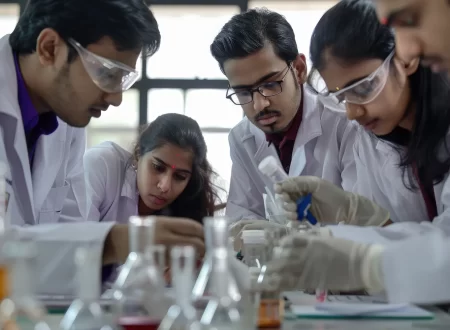
- Properly-furnished forensic chemistry/biology laboratories.
- Specialized digital forensic laboratory and up-to-date software.
- Crime scene simulation rooms, whereby students can train on how to collect evidence in real-time conditions.
- The availability of modern equipment is utilized in professional forensic laboratories.
3. Hands-On Practical Exposure
- Frequent practical training in the laboratory.
- Internship assistance to forensic agencies and investigation departments.
- Live case study analysis and simulation of courtrooms.
- Experienced faculty-led research projects.
4. Career & Placement Support
- Specialized placement guidance cell in the case of the students.
- Career counseling to enable students to determine the areas of specialization.
- Training for competitive government exams.
- Powerful network of alumni and industry relations.
Anjaneya University, Raipur, offers all of these and hence is the best place for a Forensic Science course so that you get the best forensic science career options.
Courses Offered
- B.Sc. in Forensic Science
- M.Sc. in Forensic Science
- Diploma programs in specialized forensic domains
Conclusion
The field of forensic science is evolving at a fast pace due to the combined use of AI and digital investigation tools, as well as up-to-date laboratory technologies.
Crime is getting sophisticated; therefore, forensic experts should be technologically adept and scientifically accurate. The industries in the government and the business world require the services of qualified professionals.
The first step to success is to pick the appropriate learning institution. Having a high-tech infrastructure, AI-based curriculum, and robust practical experience, Anjaneya University, Raipur, makes graduates ready for the future of forensic science so that they get to explore the best forensic science career options.