

 By
By Right after Class 12 results, commerce students hear too many opinions.
“Do CA.”
“No, MBA is better.”
“Commerce has no scope unless you go abroad.” Most of this advice comes from panic, not experience.
The truth is simpler and more practical. When thinking about career after 12th commerce, the stream gives you options. Not instant answers, but room to grow. And growth matters more than picking the so called perfect course at 18.
First, Understand What Commerce Really Prepares You For in Your Career After 12th Commerce
Commerce is not just accounts and balance sheets. It quietly builds skills that matter everywhere. You learn how money moves. How businesses survive. Why decisions fail or work. That is why commerce students end up in banks, startups, law firms, government offices, marketing teams, and even creative industries. But direction matters. Without direction, commerce feels confusing. With direction, it becomes flexible.
Common Paths Students Choose After 12th Commerce
B.Com (Bachelor of Commerce)
This is still the most chosen degree, and for good reason. B.Com keeps doors open. It works well if you are unsure but want stability.
Students usually go into:
- Accounting roles
- Banking exams
- Taxation
- M.Com or MBA later
- Professional courses alongside
It is not flashy. But it is reliable.
BBA (Bachelor of Business Administration)
BBA suits students who like decision making more than debit and credit. You discuss ideas, you do presentations, you work in groups.
Common outcomes:
- MBA
- Marketing and sales roles
- HR and operations jobs
- Startup exposure
BBA works best when the college focuses on internships and live projects, not just theory.
Professional Courses (CA, CS, CMA)
These are not degrees. They are long term commitments.
- CA for accounting, audit, taxation
- CS for corporate law and compliance
- CMA for cost control and management finance
They demand discipline; they also demand patience. Not everyone needs to do them. And that is okay.
Law and Economics
Some commerce students quietly shift here.
- BA LL.B for corporate law, legal advisory, compliance
- Economics degrees for analytics, policy, research, and finance
If you enjoy reading and analysis, this route fits better than routine accounting work.
Short Term and Skill Based Options
Not every student wants a three year degree immediately. Some want to work early. Some want clarity.
Skill based options include:
- Digital marketing
- GST and Tally
- Financial modeling
- Business analytics basics
- Entrepreneurship programs
These work best when combined with a degree, not as substitutes forever.
A Realistic Look at Career Outcomes
| Course | Typical Career Options | Long-Term Scope |
| B.Com | Accountant, banker, analyst | MBA, CA, M.Com |
| BBA | Marketing, HR, management | MBA, startups |
| CA | Auditor, tax expert | CFO, consultancy |
| CS | Company secretary, legal roles | Corporate leadership |
| Economics | Analyst, researcher | Policy, finance |
The Advantage Commerce Students Get at Anjaneya University
Anjaneya University’s Commerce courses focus on building foundational clarity rather than rushing students into one narrow path. The commerce programs are designed to balance theory with application, which is where many graduates struggle later.
Key aspects students usually look for:
- Industry oriented curriculum
- Practical learning through case studies
- Internships and project exposure
- Faculty with academic and industry experience
At Anjaneya University, commerce students are encouraged to explore multiple directions before locking into one. That matters, especially for those still unsure about their long term plans.
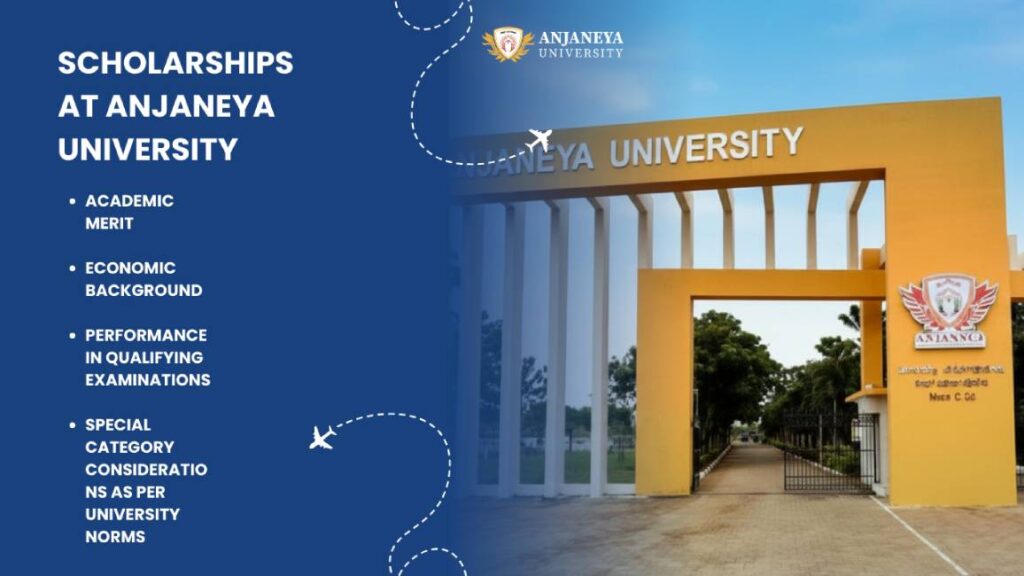
Scholarships at Anjaneya University
Education cost is a real concern. Ignoring that helps no one. Anjaneya University offers scholarship support to deserving students based on:
- Academic merit
- Economic background
- Performance in qualifying examinations
- Special category considerations as per university norms
These scholarships help reduce the financial burden and allow students to focus on learning instead of constant fee pressure. Availability and eligibility depend on university guidelines, so students are advised to check details during admission counseling.
How Students Actually Figure Out Their Career Direction
This part is rarely discussed honestly. Most students do not “know” their career at 18. They discover it by doing small things.
- First internship
- First presentation
- First failure in accounts
- First marketing pitch that works
That is normal. The problem begins when students expect clarity before experience. Experience comes first. Clarity follows. This applies strongly to a career after 12th commerce, where options overlap and evolve.
Mistakes Commerce Students Often Make
- Choosing courses only because friends are joining
- Starting CA without understanding the effort required
- Ignoring internships until final year
- Believing only one career path equals success
- Overloading certificates without practical use
Avoiding these mistakes saves years.
Skills That Quietly Improve Outcomes
Degrees matter. Skills decide speed. Commerce students who do well usually develop:
- Communication skills
- Excel and data handling
- Basic financial understanding beyond textbooks
- Presentation confidence
- Problem solving mindset
Colleges that encourage these skills give students an edge. This is where structured programs at universities like Anjaneya University add value beyond syllabus coverage.
Is Commerce Still Relevant in the Future?
Yes. But differently. Automation handles routine work. Human judgment handles decisions. Commerce students who adapt to:
- Analytics
- Digital platforms
- Strategic thinking
- Compliance and governance
will stay relevant. Rigid learning fails. Adaptive learning survives.
A Grounded Way to Think About Your Next Step
Instead of constantly asking, “What is the best course?” it helps to pause and ask yourself a few more honest questions. What are you genuinely curious about? Which skill can you realistically start building this year? And what kind of early exposure can help you understand the real world better? When you shift your thinking this way, the pressure reduces naturally, and the decisions you make tend to lead to far better outcomes. That is the quiet truth behind a successful career after 12th commerce.
Frequently Asked Questions
1. Is commerce a good stream after 12th?
Yes. Commerce offers flexible career paths across finance, management, law, analytics, and entrepreneurship.
2. Which course is best after 12th commerce?
There is no single best course. B.Com, BBA, CA, CS, and economics all work depending on interests and learning style.
3. Can I do MBA after B.Com or BBA?
Yes. Both degrees are commonly followed by MBA programs in India and abroad.
4. Does Anjaneya University offer commerce scholarships?
Yes. Anjaneya University provides scholarships based on merit and eligibility criteria defined by the university.
5. How important are internships for commerce students?
Very important. Internships provide clarity, skills, and better placement opportunities.
Final Thoughts
Commerce is not a limitation. It is a toolkit. What you build with it depends on choices, exposure, and patience. With structured programs, scholarship support, and practical learning environments like those at Anjaneya University, students can shape a meaningful and sustainable career after 12th commerce without rushing into decisions that do not fit them.