
 By
By If someone asked directly in a classroom, the simplest response would be that the diploma in journalism course teaches you how to write news, handle reporting situations, understand how the media behaves in real time, and get comfortable with digital tools used inside actual newsrooms. That is the core of it.
It is a one year program, but it moves quicker than students expect because most of the assignments feel like real work. One week you are writing a news brief, and the next week you suddenly find yourself holding a mic trying to record an interview near the campus café. This rhythm is what makes the course practical rather than overly academic.
Why Students Pick Anjaneya University For the Diploma in Journalism Course
The reason is surprisingly simple. Anjaneya University provides working labs, functional studio, editing tools that students actually use outside assignments, and teachers who have worked in print or digital media at some point. Nothing feels disconnected from the industry.
A lot of journalism students say they do not want long theory lectures. They want shorter explanations, then tasks. That is what happens here. You sit in the lab, someone from the faculty walks in and says something like, “Write me a 350 word piece on this local event and make sure the lead sentence holds the reader.”
And then you do it. Again and again.
Eligibility Without Overcomplication
Students who pass Class 12 from any stream can join. The minimum score is around 40 percent, and there is no long entrance exam process. The university checks the application, talks to the student during counseling, and the admission moves forward.
What Students Actually Learn Throughout The Year
Learning in journalism is always a blend of writing, fieldwork, and digital skill practice. So the diploma in journalism course at Anjaneya University slowly exposes students to these layers:
- News writing that focuses on accuracy
- Field reporting exercises where you learn by doing
- Basics of video and audio editing
- Interviews with local community members
- Media laws and responsible reporting
- Script writing
- Social media content creation
Some topics feel technical at first, like fact checking or editing sequences, but after a few sessions students get more comfortable. The constant trial and error helps.
The Course Structure
Although the course is officially split into two semesters, students usually describe it more like phases rather than strict academic blocks.
First Phase
- Reporting basics
- News writing
- Story structure
- Ethics
- Digital media introduction
Second Phase
- Broadcast journalism
- Editing for video
- Social media strategy
- Public relations writing
- Internship and final project
By the time students reach the internship phase, they already have ten or more pieces of written work and a few short videos. Everything becomes part of their portfolio without them even realizing it.
Fees And Extra Academic Costs
The approximate annual fee is around 24,200 INR at Anjaneya University. Students might also pay small amounts for lab maintenance or materials, usually a few thousand here and there. It stays within a student friendly range compared to most professional media programs.
What Happens After Finishing The Course
A diploma in journalism course naturally leads students into multiple media roles. Most graduates start as:
- News writers
- Digital content creators
- Junior reporters
- Video editors
- PR assistants
- Script writers
The first salary range is mostly between 2.4 to 3.6 LPA, but students who pick up video editing or digital strategy often move towards 4.5 to 6 LPA within a few years.
Media jobs depend heavily on portfolios. The more you produce during the course at Anjaneya University, the easier the transition becomes.

Why These Skills Matter Today
Right now, newsrooms depend heavily on people who can work across formats. A story written for print might need a short video version, a social media snippet and sometimes even a quick voiceover. Journalism students need to adapt to this multi format requirement, and that is exactly what the diploma in journalism course focuses on.
Facilities And Practical Exposure At Anjaneya University
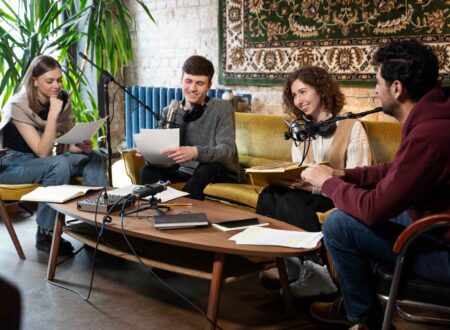
Students here get access to editing rooms, cameras, podcast recording spaces, and a small but active media studio. They are not just learning definitions. They are making weekly assignments, doing interviews inside and outside campus, writing stories, and editing clips.
A typical assignment might ask students to cover a campus event, write a 400 word report, produce a short video, and then explain why they chose the headline. This mixture of practical and reflective work builds confidence.
A Slightly Honest Comparison Between Diploma And Degree
A diploma is short and very hands on. A degree goes deeper into media theory and takes three years. Students who want quick entry into media pick the diploma. Students who want a long academic foundation pick a full degree. Both paths are valid.
The diploma moves faster. The degree moves broader.
| Category | Details |
| Course Name | Diploma in Journalism |
| Duration | 1 Year |
| University | Anjaneya University |
| Average Fee | 24,200 INR |
| Eligibility | Passed Class 12 |
| Skills Learned | Reporting, writing, editing, video production |
| Tools Used | Cameras, editing software, audio tools |
| Internship | Yes |
| Outcome Roles | Reporter, editor, content creator |
| Salary Range | 2.4 to 6.5 LPA |
Final Thoughts
The diploma in journalism course at Anjaneya University feels practical, not overly formal. Students get to work with real equipment, write real stories, make real mistakes and improve through that process. For anyone who wants a quicker, grounded entry into the media world, this program fits naturally.
FAQs
- Is the diploma in journalism course tough?
Not exactly tough, but it requires consistent writing and regular field tasks. Students who enjoy communicating tend to do well. - Does Anjaneya University offer internships?
Yes, every student completes an internship in the final phase of the course. - Can students from commerce or science join this program?
Yes, students from any stream can apply as long as they passed Class 12. - Do students need prior writing experience?
No, the course starts with basic writing exercises and builds from there. - Does this course help in getting digital media jobs?
Yes, because the training includes video editing, social media writing and content production, which modern media companies rely on.